Burying Black Iron Gas Pipe: What You Need to Know Before You Dig
- Share
- Issue Time
- Jan 30,2026
Summary
For anyone installing outdoor gas systems—whether for a backyard fire pit, a standby generator, or a new kitchen—the choice of piping is a critical safety decision. Black iron pipe is a staple for indoor gas lines because it is strong, heat-resistant, and cost-effective. However, burying it underground introduces the immediate threat of corrosion, which can lead to hazardous leaks and structural failure if handled incorrectly.
Burying Black Iron Gas Pipe: What You Need to Know Before You Dig
For anyone installing outdoor gas systems—whether for a backyard fire pit, a standby generator, or a new kitchen—the choice of piping is a critical safety decision. Black iron pipe is a staple for indoor gas lines because it is strong, heat-resistant, and cost-effective. However, burying it underground introduces the immediate threat of corrosion, which can lead to hazardous leaks and structural failure if handled incorrectly.
The consensus among pros is clear: you can bury black iron gas pipe, but it is not suitable for direct burial without significant protection against moisture and soil chemistry.
The Reality of "Black Iron" Underground
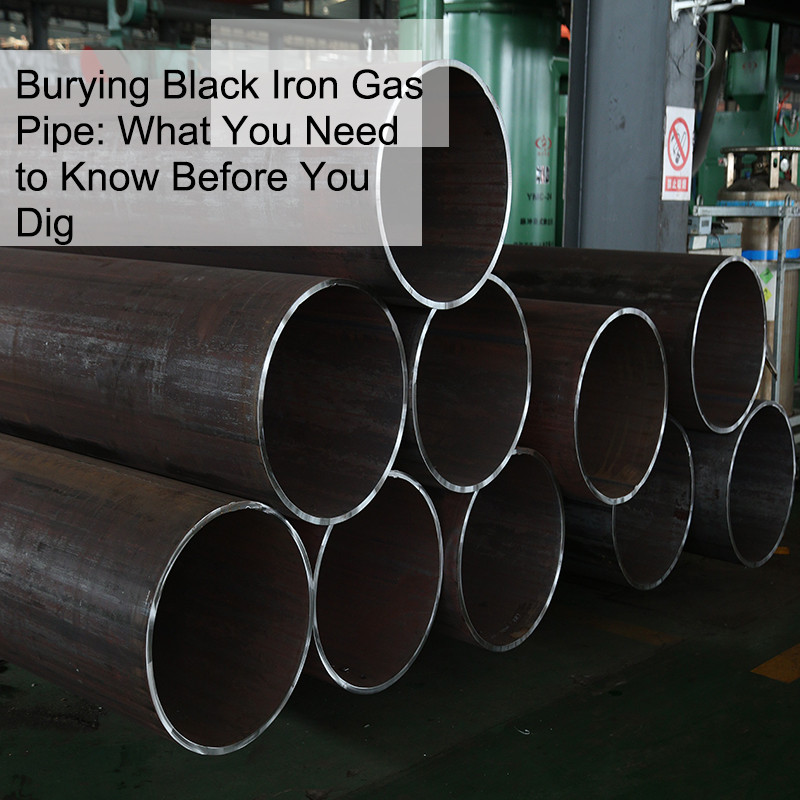
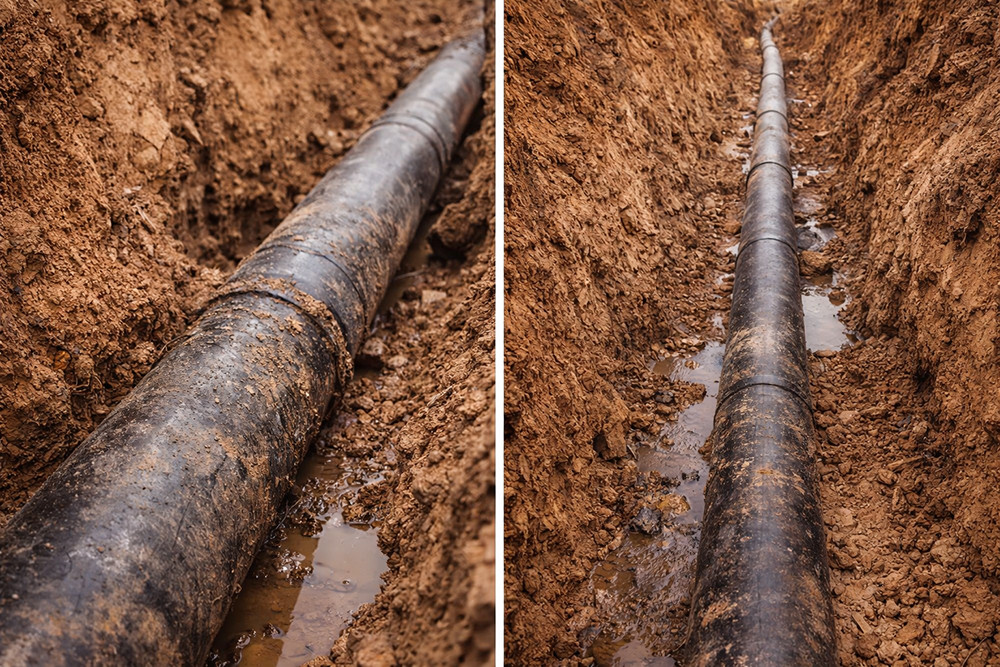
Despite the name, black iron pipe is actually mild steel finished with a dark iron oxide coating. That factory oxide finish is really just meant to prevent flash rusting in a dry basement. Once you put it in the dirt, the soil’s moisture and varying pH levels act as an electrolyte, stripping away that thin film and leaving the raw steel completely vulnerable to rapid, localized pitting.
The Corrosion Cycle: Soil moisture and natural chemicals act as corrosive agents that trigger rust the moment the steel is buried.
Structural Risks: Because underground pipes are invisible, corrosion often goes undetected until a major structural failure or gas leak occurs.
Subsurface Erosion & Stress: The threat to pipelines extends far beyond surface rust. Reactive minerals in the soil and seasonal ground shifts form a silent partnership, attacking from the outside while creating critical weak points within. This relentless cycle of stress corrosion embrittles the metal, often leading to sudden, catastrophic failure years ahead of schedule.
Best Practices for Safe Underground Installation
Burying black iron requires a specialized coating to seal the steel against corrosive soil.
1. Barrier Protection (Coatings and Wraps)
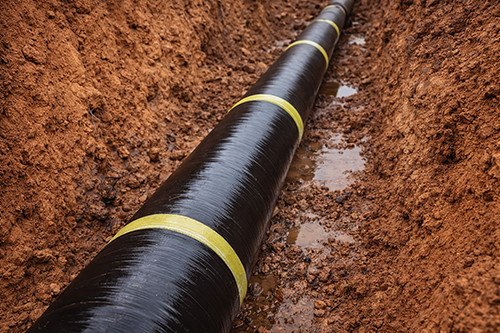
Complete isolation of the pipeline system and all fittings from soil contact is non-negotiable. Two methods are acceptable: applying a high-performance epoxy coating, or using heavy-duty polyethylene tape (pipe wrap) for encapsulation. In both cases, the goal is the same—to establish a continuous, watertight barrier.
2.Proper Trench Bedding
Avoid using native soil for backfill if it contains sharp debris. To protect the pipe coating from punctures and minimize external stress, backfill the trench with a stable bedding material like sand or fine gravel.
3. Cathodic Protection
To counteract electrochemical corrosion in specific soil profiles, sacrificial anodes may be employed. By serving as the preferential site for corrosion, these anodes effectively shield the gas pipeline from degradation by absorbing the electrochemical charge that would otherwise target the pipe.
Compliance and Safety Standards
Local building codes and fuel gas regulations dictate exactly how a buried line must be installed to ensure long-term safety.
Burial Depth: Generally, gas pipes should be buried at a depth of 12 to 24 inches, depending on regional regulations and surface activity.
Tracer Wire: A tracer wire is a mandatory safety feature; it is laid alongside the pipe so that utility companies can accurately locate the buried line during future maintenance or excavation.
Pressure Testing: The integrity of the system must be verified through a pressure test during installation to ensure there are no leaks before the line is connected and buried.
Better Alternatives for Underground Use
While black iron can be buried with extensive preparation, many modern projects opt for materials that are naturally resistant to the elements.
Polyethylene (PE) Pipe: This is the current industry standard for underground burial because it is immune to rust and chemical decay.
Coated Steel Pipe: For projects requiring the strength of steel, pipes that come pre-coated from the factory (such as 3LPE or epoxy-coated) provide much more reliable protection than field-wrapped lines.
What is the best pipe to bury for gas lines?
Polyethylene (PE) plastic gas pipe and factory-coated steel pipe are the two most common and approved materials for burial.
How deep must the gas line be?
The minimum depth usually ranges from 12 to 24 inches, but you must check your local fuel gas code for specific regional requirements.
Can I use standard fittings underground?
No. You must use specialized fittings that are specifically approved for underground use to maintain the integrity of the gas line.