RHS Steel Sizes: The Definitive Guide from Basic Selection to Structural Engineering
- Share
- Issue Time
- Jan 28,2026
Summary
Selecting the right steel frame defines project success for both home builders and site managers. Poor material choices lead to structural risks or high costs. This guide covers vital RHS technical details. We explore everything from basic dimensions to professional engineering insights.
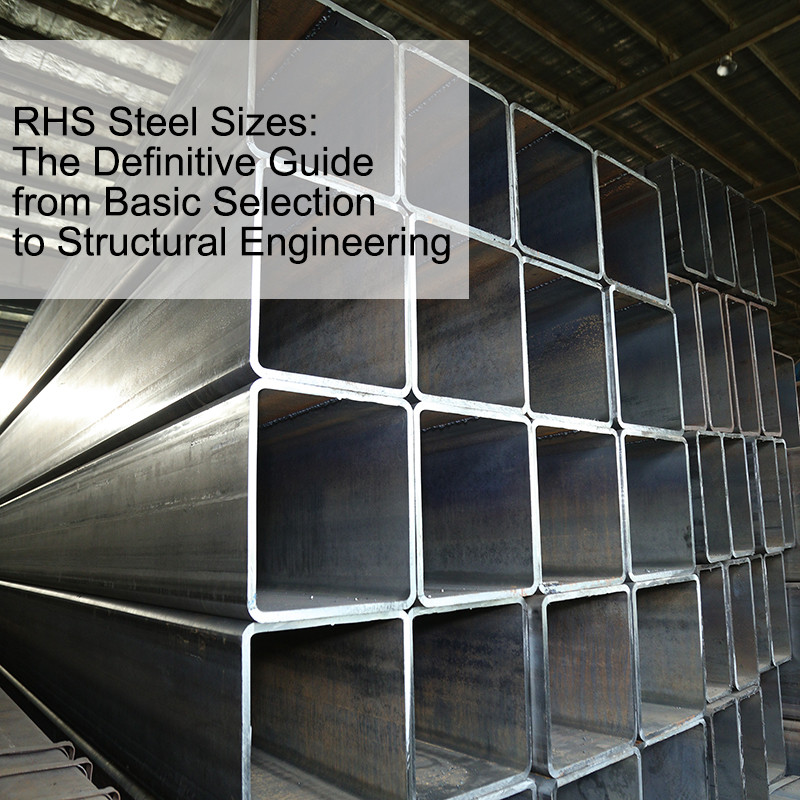
RHS Steel Sizes: The Definitive Guide from Basic Selection to Structural Engineering
Selecting the right steel frame defines project success for both home builders and site managers. Poor material choices lead to structural risks or high costs. This guide covers vital RHS technical details. We explore everything from basic dimensions to professional engineering insights.
What is RHS?
What is RHS?
RHS meaning Rectangular Hollow Section. This cold-formed steel features a unique hollow center. Builders prefer the flat, smooth exterior surfaces. These faces make joining different components very easy. Flat profiles offer a better fit than circular pipes.
How to Read RHS Sizes
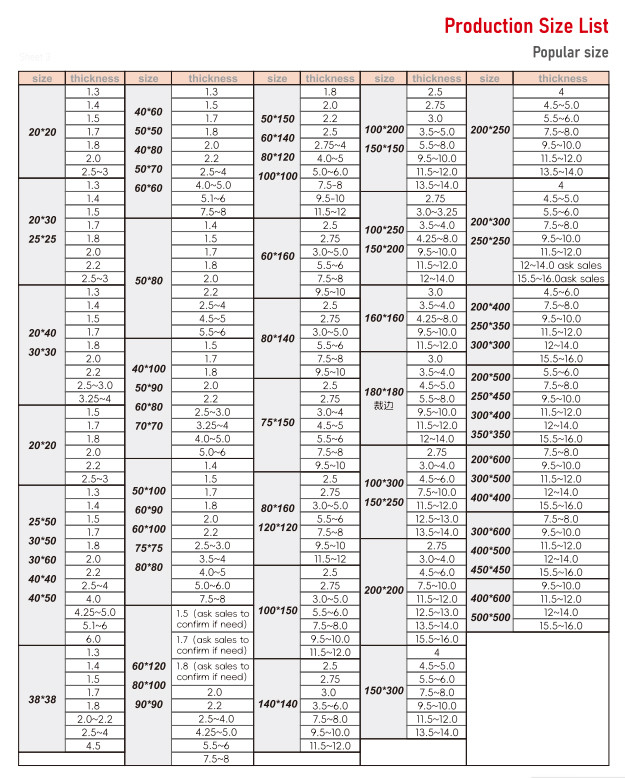
Labels use three key numerical values. These represent height, width, and wall thickness. Take a 40 x 80 x 2.0mm section as an example. Height is 40 mm;Weight is 80 mm;Wall Thickness is 2.0 mm.Height and width set the outer footprint. Thickness dictates the total load-bearing capacity.
Practical Application Categories
Not every build requires heavy industrial steel. Specific projects demand different section strengths.
Light-Duty: Small sizes suit light furniture or fences,handrails and balustrades,lightweight bracing or supports and display racks. Typical ranges include 25x25mm to 75x50mm.
Medium-Duty: Usuallystand for 100x50 to 150x100mm.Residential frames require medium-duty sections. These work well for floor joists. Gate posts often use these mid-range sizes.
Heavy-Duty: Industrial builds demand sections usaully over 150mm and in 200x100mm and above.These heavy section can support massive warehouse columns or beams,industrials sheds and heavy-duty racking and platforms.
Selecting the right size involves more than just a physical fit. Performance and long-term durability remain the true priorities. Adhering to strict safety standards guarantees structural integrity.
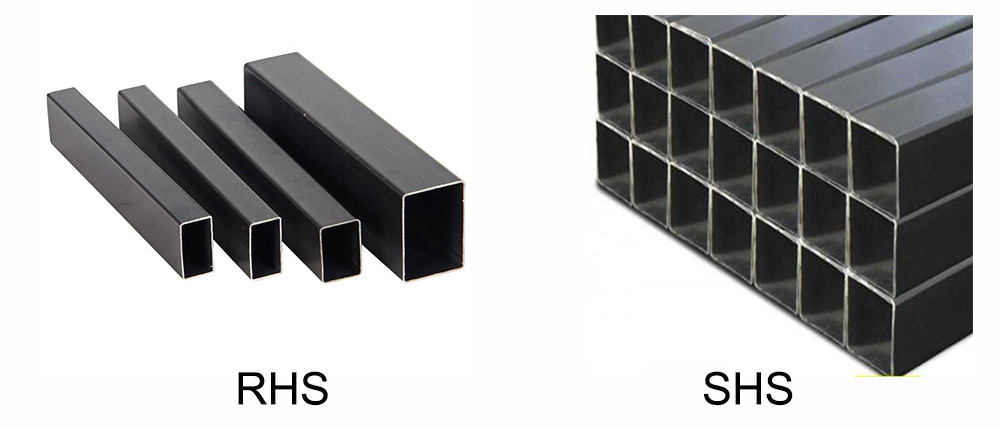
RHS vs. SHS: Which Shape Wins in selecting?
Square sections provide equal strength on all sides. These are ideal for standing support columns. Symmetry allows the post to handle multi-directional loads.
Advanced Engineering: Beyond the Dimensions
Steel Grade (Q235 vs. Q355 )
The yield strength of a material defines its structural grade. In Chinese standards, the "Q" prefix represents the yield point of the steel. Grade Q355 offers significantly higher stress resistance than Q235. This increased strength permits the use of thinner wall sections for the same load.
Specifying thinner walls reduces the total tonnage of the project. A lighter frame simplifies transport and site handling. These efficiencies often lower the total project cost. However, designers must ensure that thinner sections still meet local buckling requirements.
Deflection vs. Strength
Bending represents a subtle risk for horizontal steel members. A beam may stay intact despite significant sagging. Engineers define this vertical movement as deflection. Chinese standard GB 50017 establishes strict limits for this movement. Primary floor beams typically follow an L/400 ratio.
Secondary members often permit a ratio of L/250. Exceeding these thresholds causes noticeable floor vibration. This instability results in an uncomfortable, bouncy sensation. Selecting a deeper section profile ensures the structure remains rigid.
The "Radius of Gyration" & Buckling
Vertical columns face the risk of buckling. This happens before the steel actually breaks. Engineers calculate the radius of gyration (r) to predict this. Wider profiles increase stability for tall, slender structures.
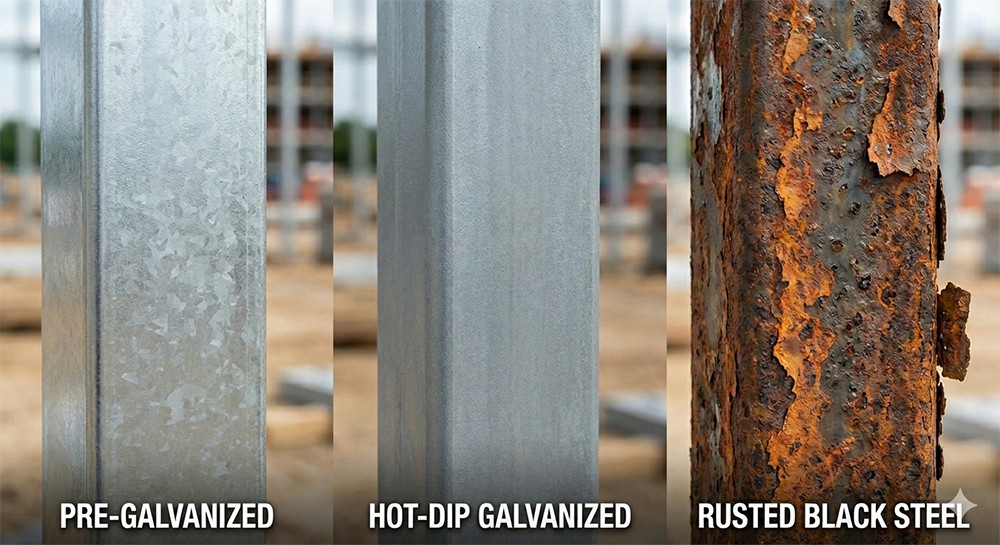
Environmental Protection & Finish
Coastal projects require hot-dip galvanizing for maximum protection. This thick zinc layer prevents salt-air corrosion. Untreated black steel rusts quickly without immediate painting.
Conclusion: How to Choose?
Follow a simple workflow to select the right material. Start by identifying the primary load direction. Use RHS for beams and SHS for columns.
Check the span to determine the necessary section depth. Select the finish based on the project environment. Always consult a structural professional for final approval of your plan.