Thickness: How to Choose the Right Zinc Protection for Structural Steel
- Share
- Issue Time
- Jul 15,2026
Summary
Choosing the right zinc coating thickness is essential for your structural steel's longevity. This guide explains how to match coating thickness to your project's exposure environment, with a focus on our high-performance 70μm+ heavy-duty galvanizing for aggressive conditions. Contact Yuantai Derun for technical support and product data for your next project.
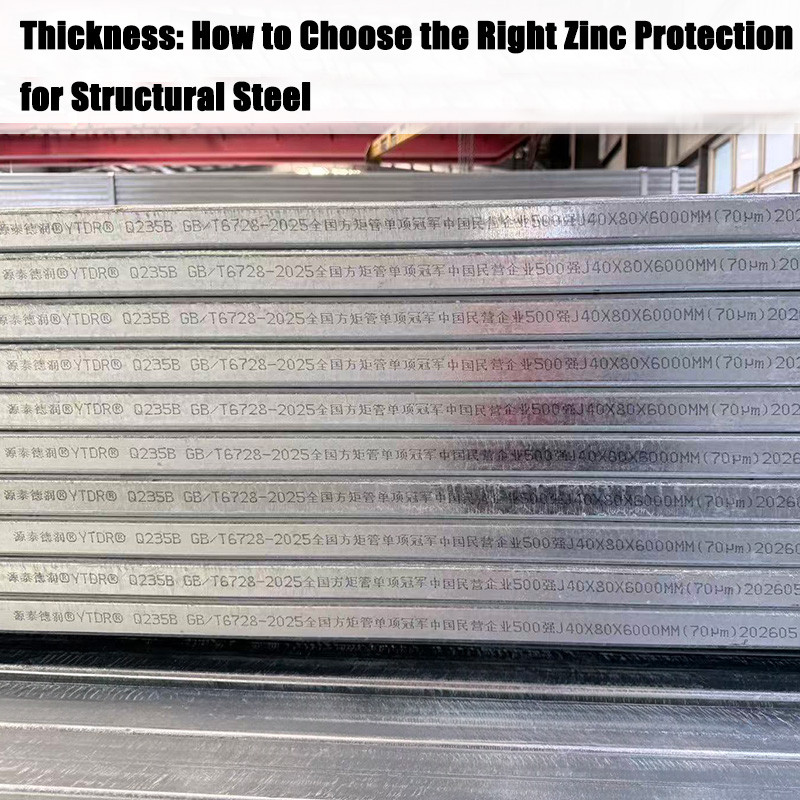
Selecting the correct hot-dip galvanizing coating thickness is one of the most critical decisions in structural steel specification. While intuition suggests that a thicker layer always equals better protection, the reality is more nuanced. Specifying the optimal thickness requires a strategic balance between the project’s service environment, design life, applicable standards, and overall budget.
For EPC contractors, structural engineers, and procurement professionals, the goal is not simply to maximize zinc mass, but to ensure durability and compliance while optimizing project costs.
Why Coating Thickness Matters
Hot-dip galvanizing functions through two core mechanisms: a physical barrier that isolates steel from oxygen and moisture, and cathodic (sacrificial) protection, where the zinc layer corrodes in preference to the base steel.
As the zinc layer inevitably weathers over time, its thickness becomes the primary determinant of the component's service life. However, over-specifying is a common pitfall. Indoor structures with low exposure require significantly less protection than those in marine or chemical-heavy environments. Tailoring the coating to the environment is the mark of an efficient, cost-conscious engineering design.
Typical Coating Thickness by Environment
While project specifications remain the final authority, the following ranges reflect common industry practice for structural steel:
| Application Environment | Typical Zinc Coating Thickness |
| Indoor Structural Framing | 45–55 μm |
| Commercial Buildings | 55–70 μm |
| Urban Infrastructure | 55–70 μm |
Coastal Environments | 70–100 μm |
Industrial / Chemical Plants | 70–100 μm |
Marine & Offshore Facilities | 85–100 μm+ |
Note: All selections must align with your project’s governing standard, such as ISO 1461, ASTM A123, or GB/T 13912.
When Is 70μm+ Galvanizing Essential?
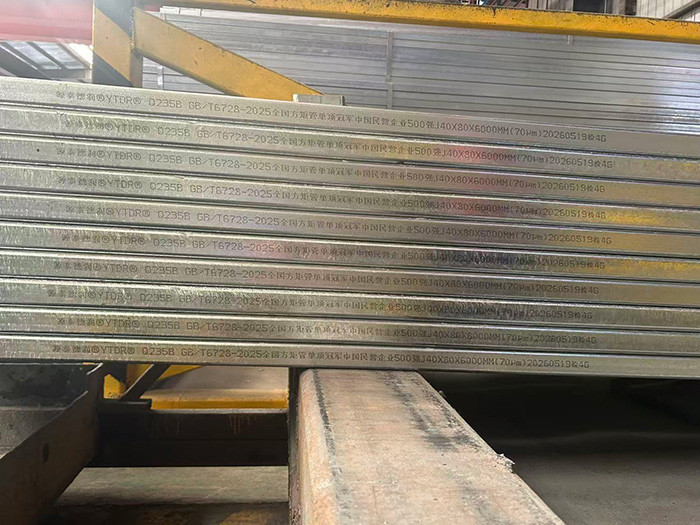
Heavy-duty galvanizing (70μm+) is specified for assets facing aggressive corrosion or those requiring extended design lives (e.g., solar mounting, port terminals, and wind towers).
In these scenarios, a thicker coating drastically reduces the frequency and cost of maintenance. However, when requesting heavy-duty coatings, it is vital to account for the steel’s chemistry. Effective coating formation—especially for thicker layers—is heavily dependent on the silicon content of the base steel. We always recommend reviewing steel chemistry alongside thickness requirements to ensure a uniform, durable alloy layer.
Customized Solutions for Complex Projects
At Yuantai Derun, we move away from "one-size-fits-all" production. Every project has unique technical constraints—from pipe geometry to specific surface integrity needs.
We collaborate with your engineering team to align our production parameters with your project requirements. Whether you need standard commercial coatings or specialized heavy-duty protection, our process is controlled to ensure the final product meets your site's specific corrosion-resistance demands.
Quality Control: Beyond Immersion Time
Achieving a consistent, high-quality coating is not just about time in the bath; it is about rigorous process engineering. Our quality management covers:
Surface Preparation: Precise control over degreasing, pickling, and fluxing to ensure the zinc fully bonds to the steel.
Thermal Management: Stable bath temperatures to ensure the formation of a robust zinc-iron alloy layer.
Withdrawal Speed: Calibrated extraction speeds to guarantee uniform coverage.
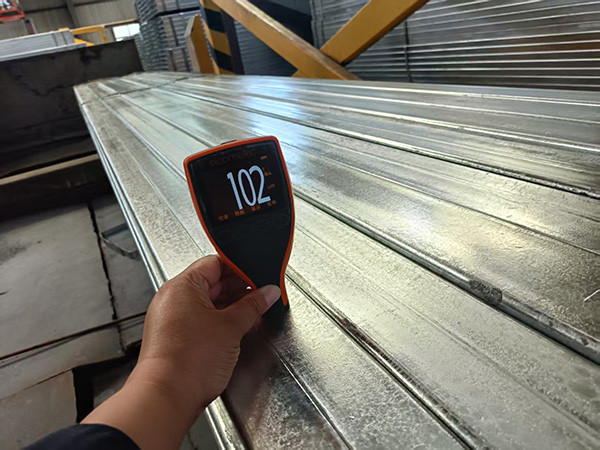
Verification: Multi-point measurement using magnetic thickness gauges to ensure compliance with local and international standards.
Technical Documentation and Project Support
We understand that large-scale infrastructure projects require transparent, verifiable data to meet strict engineering standards.
To support your approval and QA process, we provide Material Test Certificates as standard for all shipments. For project-specific documentation—such as detailed coating thickness inspection reports, process control records, or specific third-party manufacturing certifications—our team will review your project requirements and coordinate the necessary documentation during the pre-production phase.
We are committed to working closely with your QA team to ensure all technical data aligns with your project's governing specifications.
Frequently Asked Questions
Q:Does a thicker coating always guarantee better performance?
A:Not necessarily. While thickness correlates with corrosion resistance, excessive thickness can be unnecessary for mild environments and may increase costs without providing proportional value. The key is to match the coating to the specific exposure profile of the environment.
Q:Is 70μm the standard for coastal projects?
A:It is a common baseline for aggressive environments, but it is not a "magic number." We must always cross-reference your specific project engineering specification before finalizing the thickness.
Q:How is the thickness verified on-site?
A:Coating thickness is measured using calibrated magnetic thickness gauges. We follow the sampling and measurement protocols defined by the governing standards, ensuring that the reported thickness reflects a representative average across the structure.
Q:Can you provide custom coating thicknesses for our specific project?
A:Yes. However, customization requires a technical review of the steel grade and the component geometry. Our engineering team is ready to review your specifications to ensure that the requested thickness is both achievable and beneficial for your application.
Ready to proceed with your material procurement? Whether you need to confirm coating standards or require a competitive quote for your next project, our team is ready to assist. Submit your technical specifications, and we will provide the necessary product data and project pricing for your evaluation.
[Request a Quote for YUANTAI DERUN]