What is the Meaning of DN Size? Understanding DN, De, and Φ in Pipes
- Share
- Issue Time
- Dec 13,2025
Summary
In the world of piping, pipe diameter stands as a essential specification for engineers, contractors, and buyers. However, terms like DN, De, and Φ often cause some confusions.
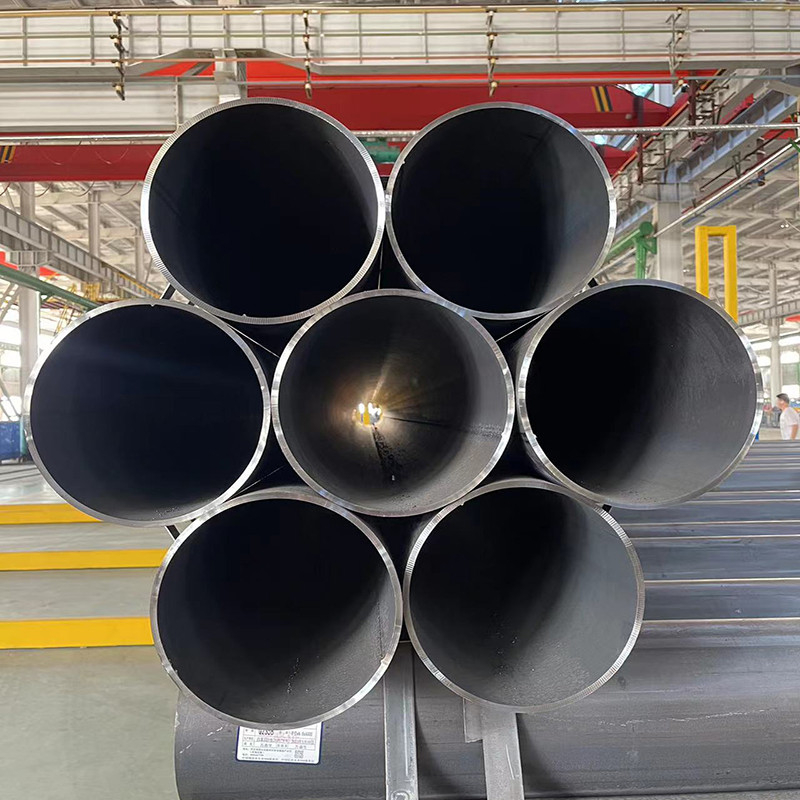
What is the Meaning of DN Size? Understanding DN, De, and Φ in Pipes
In the world of piping, pipe diameter stands as a essential specification for engineers, contractors, and buyers. However, terms like DN, De, and Φ often cause some confusions. Each of these systems represents pipe dimensions differently, depending on material, industry standards, and application. This guide explains what these terms mean, how they relate to each other, and why they matter in practice.
What is DN (Nominal Diameter)?
DN stands for Nominal Diameter. And it is one of the most widely used references in piping systems.
Definition: DN is a standard number used to represent pipe size.It is usually rounded to a convenient figure for reference.It does not directly equal the pipe’s inner or outer diameter. Instead, it approximates the average of the outer and inner diameters.
Common Applications:Many piping systems, including galvanized steel, PVC, and cast iron, use DN sizing.All related fittings must align with the nominal diameter.
Units: DN is typically expressed in millimeters (metric) or inches (imperial).
Example of DN conversion to outer diameter (Φ):

Why it matters: DN allows different pipes and fittings to connect without concern for exact wall thickness, which ensures interchangeability across systems.
What is De (External Diameter)?
De refers to the external or outside diameter of a pipe.
Usage: Common in seamless steel pipes, PVC, PP, and PE pipes, especially when wall thickness must be considered.
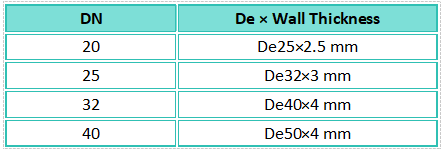
Notation: Usually expressed as De × wall thickness, e.g., De32×3 mm.
Practical Insight:De shows the true outer diameter. This value is key for clear drawings, accurate measurements, and reliable connections.
Example Table: DN vs De labeling for galvanized pipes:
Tip: When metal meets plastic, a flange with a rubber gasket is the safer choice. It stops galvanic corrosion.
What is Φ (Diameter Symbol)?
The symbol Φ traditionally indicates diameter.In piping, it usually shows the outer diameter and wall thickness:
Notation: Φ25×3 means a 25 mm OD and 3 mm wall.
Common in: Seamless steel pipes, copper pipes, stainless steel pipes, and non-ferrous metal pipes.
International Standards: Many ISO and Chinese standards express pipe size as outer diameter × wall thickness.
Key point: For precise engineering or industrial use, always verify if Φ represents outer diameter alone or outer diameter × wall thickness.
DN, De, and Φ – How Are They Related?
Understanding the relationship between these measurements helps you choose the right pipe:
De: shows the outer wall diameter.
DN is the nominal diameter, close to the inner diameter.
Φ: Represents outer diameter × wall thickness, especially for seamless or non-ferrous metal pipes.
Practical Guide by Pipe Material:
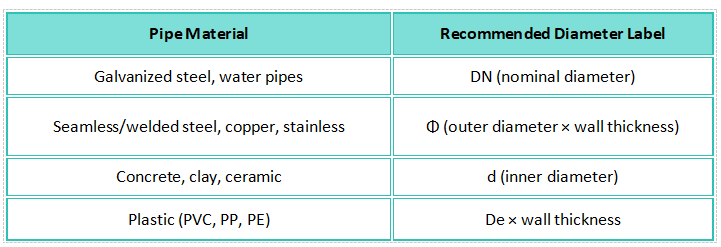
Example: A galvanized steel pipe labeled DN32 De40×4:
DN = 32 mm (nominal reference)
De = 40 mm (actual outer diameter)
Wall thickness = 4 mm
This labeling ensures correct fitting and installation, especially in multi-material piping systems.